Iowa Nursing Home Costs
Table of Content
Ideally, any rental arrangement will be made when the homeowner is still a competent decision-maker. For a loved one to take over, that person will need legal guardianship or power of attorney over the homeowner. When planning ahead for long-term care, a person with savings can buy an annuity. The underwriter receives a lump sum of cash and then issues regular monthly payments to the individual after retirement. The individual can use these payments for a nursing home, a car payment, or anything else. The main advantage of having an annuity is financial discipline.

If you own a home, you may be able to use a reverse mortgage to help pay for nursing care. Reverse mortgages are loans that one can take out against the value of their home, essentially converting some of the home's equity into cash. Reverse mortgage loans do need to be repaid with interest, typically within 12 months of receiving the loan. Seniors and families looking for nursing home care may be interested in the help Medicare may have to offer.
Most Expensive States for Nursing Home Care
Because of its expense, long-term care insurance is usually better for people who make a good amount of money. For more information, compare long-term care insurance providers. Options for in-home care providers include homemaking service providers, which can help older people with activities of daily living and household tasks like cleaning, cooking, and running errands. Home health aides are another option; aides are trained to provide more extensive care, while also serving as companions. Located deep in America’s Heartland is Iowa, a state rich in history and Midwestern hospitality and friendliness. Residents of Iowa enjoy a high quality of living, including safe neighborhoods, affordable housing costs, short commute times and an abundance of state parks and trails.

They had activity areas, therapy areas, and they had nice little outdoor areas so when it’s good weather you can go to and watch birds. There’s good beds, TV channels and it’s clean.The layout was good. They’re real good, excellent and the insurance covers it all. Overnight in-home caregivers ensure elderly people’s security and safety all through the night.
II. Can Medicaid Help You Pay for Home Care in Iowa?
One resource discusses state health insurance plan options and financial assistance for seniors who are looking at moving to long-term care in the near future. In-home care covers a wide variety of types of services – from health care to companion care – and the cost of care varies accordingly. The largest drivers of cost will be what level of care is required and how much care is required. Requiring 24 hour care from registered nurses will likely be at least twice as high as the $4,576 average. Comparatively, occasional home care from specialists or people helping with household chores will likely cost significantly less than the average long-term care costs.
If you’re comparing senior living options for yourself or a loved one, you have a few to choose from. Think of it this way — “nursing home” is actually somewhat of an umbrella term that can refer to rest homes and similar facilities. Meanwhile, assisted living and in-home care are both alternatives to these traditional skilled nursing facilities . Facilities should plan for rehabilitative services that help residents maintain function and carry out activities of daily living. Seniors in Iowa can get assistance leaving nursing care through the Return to Community program.
Cost of In-Home Care vs. Nursing Homes For Seniors
Nursing homes may also offer entertainment and social activities like live music, movie nights and field trips. Because of all these services and amenities, nursing home stays also come at a high cost. Nursing homes provide care for seniors who need a higher level of medical care, including specialized medical procedures and therapies and on-site, round-the-clock skilled nursing. The additional medical care a nursing home provides costs more than home care or assisted living, which may be a good option for seniors who do not need this level of care. When a senior requires greater medical care than can be met through independent or assisted living arrangements, an Iowa nursing home provides the necessary care and assistance.
Similarly, if a loved one has cognitive issues that require specialized care, such as feeding, or other issues related to a diagnosis like Dementia, the cost will likely be on the higher end of the spectrum. These resources may be of interest to seniors who are looking for services that will assist them in aging in place and delaying the move to nursing home care. One of the resources is aimed at helping seniors to understand the state health insurance system and how it may assist them in paying for nursing home care services. Nationwide average costs for these services range from about $24 per hour to more than $8,000 per month, depending on your payment schedule. For instance, in-home care costs vary based on how often you or your loved one needs assistance, ranging from a few hours a week to live-in care.
Cost of home care vs. nursing homes
In some cases, individuals are required to pay for a portion of the services they receive. The 2021 Genworth Cost of Care Survey shows that seniors who obtain in-home care services in Iowa pay $5,529 per month on average. By comparison, nationally, this care type costs $4,957 monthly. In Minnesota, seniors pay about $1,000 less than Iowa residents for home care, with agencies charging $4,508, and in Missouri, rates are comparable at $4,767.

The ombudsman can also help you file a complaint if you feel that your case is being treated unfairly. Prospective nursing home residents need to be signed up for VA health care to be eligible for coverage. VA benefits can be used to stay in non-VA nursing homes, VA nursing homes and state veterans homes. We'll take a closer look at all of your various options below. While Medicaid and Medicare are two of the most common programs used to pay for Nursing Home Care, there are other financial assistance options available, depending on your unique situation. Benefits.gov is a federal website that provides basic information about Medicaid in Iowa, including the maximum income and assets for new applicants.
While this represents an increase over the past few years, assisted living is far more affordable than semiprivate or private rooms in nursing homes. It's important to note that these figures don't take into account specialized care, such as memory care, or considerations for disabilities. All services provided are confidential and free of charge. Seniors who already have long-term care insurance may be able to use it to pay for skilled nursing care.

Using the average monthly cost of a semiprivate room as a base point, the cost of care in Ames is lower than the national average of $7,756 and higher than the Iowa state average of $6,570. Iowa City is located on the banks of the Iowa River in the state of Iowa and it is a UNESCO city of literature. The city has a population of 75,130 and about 10.5% of residents are aged 65 and over.
You can apply for Medicaid through your local Department of Human Services office. For greater convenience, you can apply for services online through theDHS Services Portal. Payments can be complicated with Medicaid because there are deductions and income limits to keep in mind, so many people choose to work with a Medicaid planner to figure out their options.
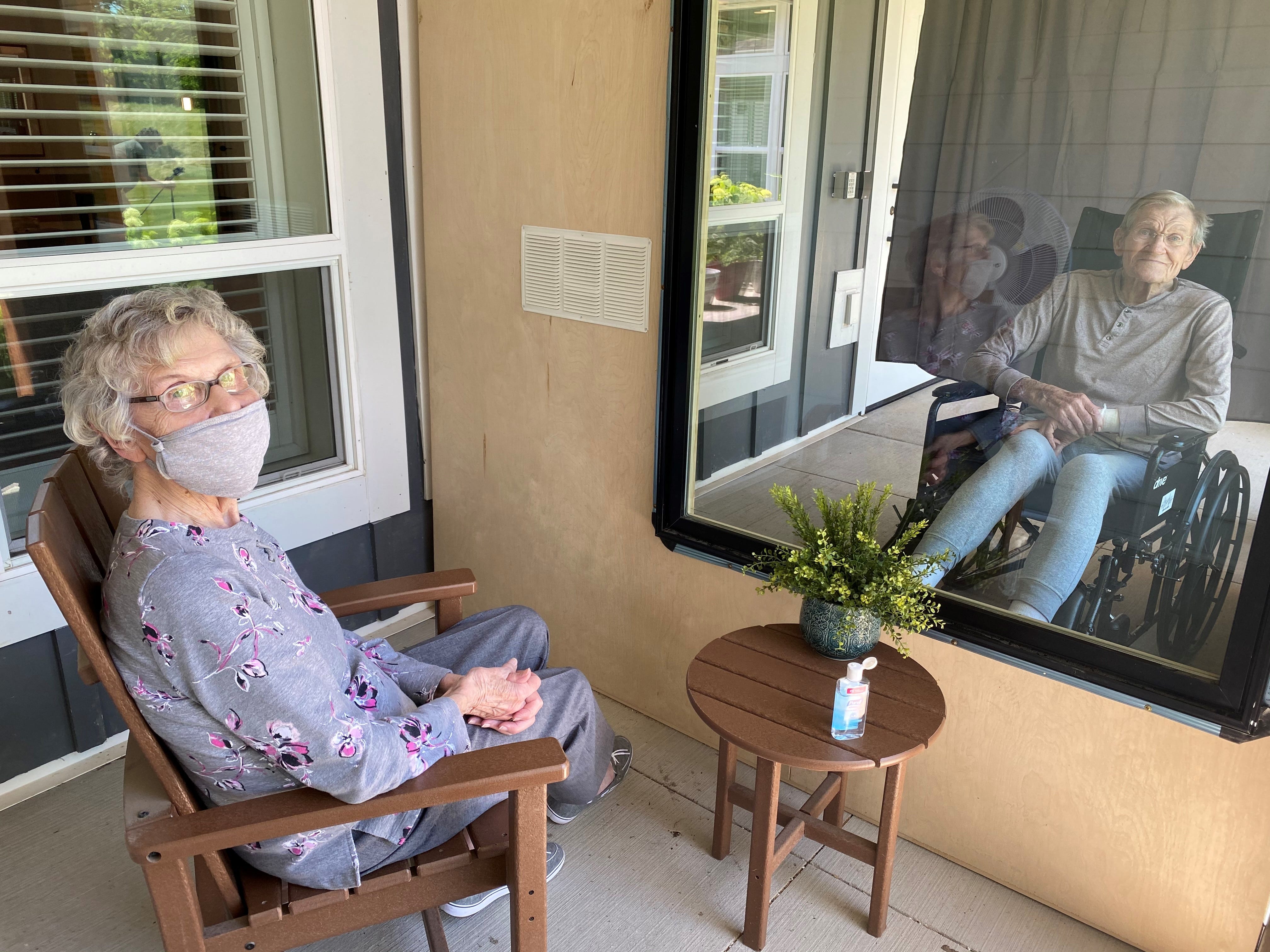
Currently, there is no vaccine mandate in place for agencies that provide non-medical in-home care. The Iowa Department of Veterans Affairs serves older veterans in Iowa through county offices. At these locations, veterans and their families obtain benefits counseling and assistance with enrolling in programs that may help pay for in-home care. Local offices can also connect qualifying individuals with community-based services, such as transportation, counseling and medical care. In general, Medicare does not cover the cost of non-medical home care. To qualify for the Elderly Waiver, applicants must be at least 65 years old, and they must require a nursing home or skilled nursing level of care.
Average Costs of In-Home Care
This price increases just a little to $5,577 a month for home health care. Private pay is the amount that individuals who receive no public assistance pay for a nursing home. The “Medicaid reimbursement rate” is the amount a state Medicaid program pays the same nursing home for the same room. Because Medicaid covers approximately 50% of the total nursing home costs in the US, Medicaid is in a strong position to negotiate with nursing homes and therefore pays less than private paying individuals. The Medicaid reimbursement rate for nursing home care is approximately 70% of what a private payer pays. Medicaid will pay 100% of the cost of nursing home care for its beneficiaries.
I asked the nurse to call the doctor and have her an appointment made so I could get her into the doctor, and she told me no. One of the nurse aides was up there took her over there, but the girls didn’t even stay with her that evening. I met a lady that was in that room with her, her son and with a little baby, they were in the morning, afternoon and they were until evening when I was about go to home. And said she can’t sleep with that TV on, and Candy said I can’t sleep with it on.


Comments
Post a Comment